
Seller Intelligence
Selling well starts with understanding your position.
Price, net proceeds, timing, and how buyers are actually behaving in this market right now. That's where the conversation starts.
Understand Your Position
Before you sell, understand what the numbers actually look like.
Run the walk-away numbers from both directions before you decide on timing, price, or next steps.
Sell to Net Calculator
Work backward from the amount you want to walk away with and estimate the sale price it may take to get there.
Net Sheet Calculator
Start with a potential sale price and estimate what you would likely walk away with after selling costs.
Next: four decisions that quietly shape the outcome ↓
Seller Leverage Simulator
Most sellers focus on price. Four other decisions quietly shape the outcome.
Pricing posture, buyer strength, inspection control, and appraisal response. There are no perfect answers. Just better leverage.
Pricing posture Buyer strength Inspection control Appraisal response
Try the Seller Leverage Simulator
Next: a real transaction from start to close ↓
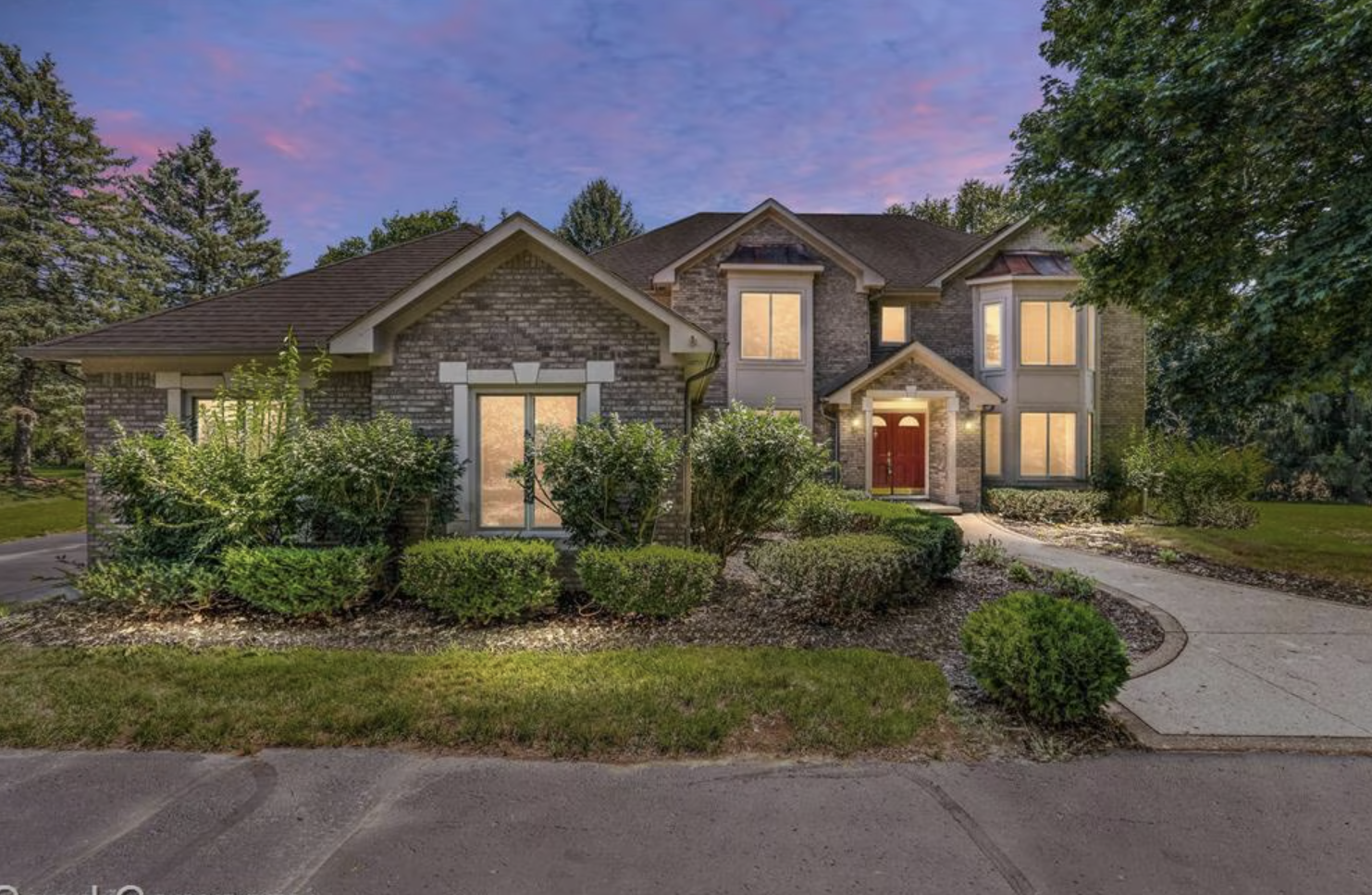
Clarkston home
Clarkston
The right move at the right time.
A past client referred me to his mother-in-law. She had recently lost her husband and needed someone she could trust through the process. She and her husband had built that house. Raised their kids there. It was not just a transaction for her. The goal was to net enough to make the next chapter work and do it without adding stress to an already hard season. We priced it carefully, managed the logistics so she did not have to, and got her to closing on her timeline. She downsized, moved closer to her kids, and got to focus on what actually mattered.
Next: six questions worth thinking through before you list ↓
Before You List
Six questions worth thinking through.
Most sellers focus on price. These are the questions that shape everything else.
Is spring really the best time to sell?
Spring brings more buyers. It also brings more listings. That added competition can shift leverage in certain price ranges, especially in Oakland County where inventory moves quickly. The calendar helps. Positioning matters more.
How do I price correctly in today's market?
Pricing is about positioning relative to current competition. Buyers compare your home to active listings first, not just recent sales. In tighter segments, strategic pricing creates momentum. Overpricing leads to longer market time and reductions. The list price is a strategy tool, not a starting point for negotiation.
Should I renovate before listing?
Not every improvement increases value. Maintenance items like roofs, mechanicals, and structural issues often matter more than cosmetic upgrades. Large renovations can make sense in certain Oakland County submarkets. In others they overshoot buyer expectations and reduce return. Improvements should match the market, not just resale theory.
What actually impacts my home's value?
Current inventory, buyer demand in your price range, condition and presentation, and location within the neighborhood. Headlines about the overall market rarely reflect what is happening in specific segments. Two homes a few miles apart can perform very differently based on price bracket and competition.
Should I wait for the market to improve?
Waiting sometimes works. It also carries cost. Mortgage payments, maintenance, taxes, and shifting competition all affect net proceeds. The better question is not whether the market will improve. It is whether your numbers make sense now based on your goals and timeline.
Do I need a pre-listing inspection?
Not always, but it can change your leverage. A pre-listing inspection lets you address issues on your terms before buyers use them as negotiating tools. In competitive segments it can build confidence and reduce the chance of a deal falling apart after an offer. In others it may not move the needle. It depends on the condition of the home and the market you are selling into.
Not sure what your home is actually worth right now?
That is exactly what the conversation is for. No agenda, no pitch. Most calls run about 20 minutes.
Next: find out what your home is worth ↓
What's Your Home Worth
Get an estimate based on your address.
A starting point based on current sales data in your area. Not a substitute for a real conversation, but a reasonable place to begin.